
A dry storage unit and a damp storage unit can easily appear similar from the outside. Damage to goods stored can develop gradually. A broken lock and a damp spot can lead to issues long before they become apparent. Located at Spencer Gulf, Port Pirie is susceptible to salt air, summer temperatures, and dust affecting its storage units. Comparing the best storage facility in Port Pirie requires personal inspection of the storage rather than reading through piles of brochures. Here are some questions that can expose issues that most customers ignore.
Working Security, Not The Advertised One
Facility websites tend to use cameras, lighting, and locked gates to imply their security measures. Photographs provided in the brochures of the best storage facility Port Pirie do not provide a complete picture of a storage facility as well. It is important to know whether the cameras cover the aisles, the duration of keeping the footage and who has access to opening the gates. Logs of access would provide useful information regarding the entrance/exit of individuals.
Asking about the response to any emergencies like a fire alarm or a break-in can provide additional insight into the working security system of the facility. During the inspection of the facility, the state of the gate, lighting after sunset and sealing of the unit’s doors are worth checking. The police offer crime prevention tips for securing property, valuables, cars and caravans. Using a high-quality lock for the storage unit would add another security measure, which is controlled by the customer only. Adequate lighting and visibility of the facility can deter potential thieves. For non-urgent matters, the Police Assistance Line 131 444 can be used to report the issue.
Weather, Pests And Things That Belong Nowhere
The coastal air is humid and salty and can harm items made of cardboard, wood or metal. Raising the floor, a proper drainage system and well-sealed doors are more important than painting. Even an inspection of the smells during the site visit can help to determine whether there are damp spots or mould. As food attracts pests, pantry goods, pet food and all other things that have smells should not be stored in units. Any presence of rodent droppings and chewed cardboard around the door indicates the need to take care of a pest problem.
Proper storage excludes storing fuel, gas cylinders and paints.
The Insurance Question That Often Gets Overlooked
Home contents insurance might cover your belongings that get damaged, lost or nicked when they’re at home, but that doesn’t automatically mean they’re covered when they’re stored outside the house. Policies are all different, and the fine print in the Product Disclosure Statement will tell you what’s actually covered. But be warned: some insurance companies will want you to declare that your belongings are in storage; a quick phone call can clear that up pretty quickly.
Give the insurer a ring and ask them what protection they offer for things in storage. And while you’re at it, get the facility itself to explain what they offer in terms of insurance and what they don’t cover. Storage contracts often come with a catch about the facility’s liability, so make sure you read the small print carefully. Keeping a record of what you’ve got stored, with photos to back it up, will make it a whole lot easier to make a claim later on. And for anything expensive, it’s a good idea to keep receipts stashed away safely at home.
Getting In And Getting Out And Finding Your Stuff
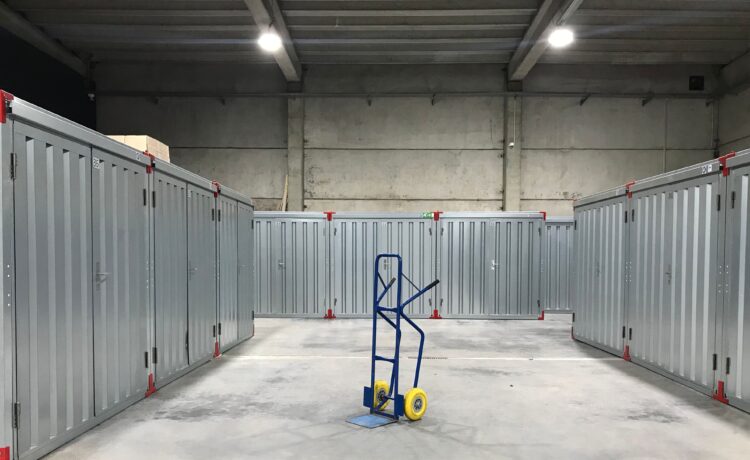
Opening hours, where you can load and unload, and whether there’s a trolley handy might not seem like a big deal, but try getting stuck in the heat with a vehicle waiting outside to give you a hard time. Units right by the entrance are a good choice if you’re going to be visiting regularly, while if you’re storing things long term and won’t be visiting often the less accessible places might be fine. And make sure the facility has decent lifts and ramps if you’re moving in a big heavy item of furniture.
Having 24-hour access with a key is great if you’re a shift worker or a tradesperson who needs to get in and out at all hours; just make sure they’re recording your entries. Having staff on site during opening hours is another level of supervision you might want to have. Inside the unit, try keeping the heaviest boxes at the bottom of the stack and a clear path through the middle so you don’t have to move everything around later. And labelling the front of the boxes so you can see what you’ve got is a good idea; that way you can find what you need in a hurry.
Caravans, Boats And Classic Cars; A Whole Different Ball Game
Storing a vehicle brings a few extra things to consider, starting with whether you want to park it under a cover or out in the open. When you’re storing a vehicle you should also make sure to disconnect the battery, stabilise the fuel, and keep the tyres pumped up so they don’t get flat spots. And if you leave fuel in the tank for too long it can start to go stale and block up the system.
Registration and insurance are all separate things, so make sure you get those sorted too. Service SA on 13 23 24 can help with the registration part, while the insurance company can explain what’s covered when a vehicle is not being used. Ask them if the policy covers vehicles in storage facilities, if they cover unattended sites, and whether they need to be notified. If the facility has a drive-through bay or a wide roller door that’s a good bonus; it can help prevent you from scratching the vehicle when parking. But avoid using plastic sheeting to cover your vehicle; it can trap condensation against the paintwork and do some serious damage. Taking a few snaps of the vehicle when you hand it over can help prove its condition later on, and if you walk round the site, read the agreement and test the lock before moving anything in, you’ll be in a much stronger position later on.