

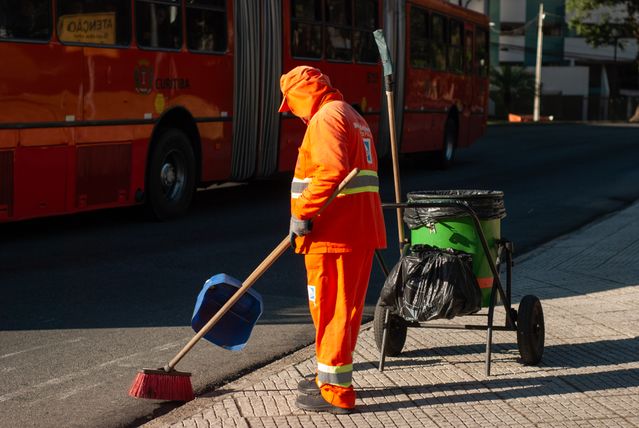
A brown track of mud exiting a construction site says a lot about how this site is operated. At the same time, EPA Victoria interprets such a trace quite differently, and sometimes the consequence is a penalty. In accordance with Victoria’s environmental protection legislation, any company should comply with the general environmental duty, which includes minimising any possible risks for people and the environment. Street sweeping companies in Melbourne can contribute greatly to the achievement of this duty, but only if the process is managed appropriately. Then what makes careful contractors justify muddy roads in front of an environmental regulatory body?
What the General Environmental Duty Requires from a Business?
As a matter of fact, the general environmental duty calls for risk management. Any construction site involves multiple risks associated with sediment and concrete washings, fuel spillage and litter, which street sweeping services Melbourne contractors provide can help control. In turn, EPA Victoria formulates the requirements of this duty very straightforwardly: nothing but rain should flow into the stormwater drains. Otherwise, any kind of substance becomes a pollutant, regardless of how it entered the system.
Since the requirement is not dependent on complaints, the practice of waiting until somebody phones the regulator is useless. Planning measures in advance and building them into the initial site plan will cost much less than fixing the issue after an inspection.
Why Tracking Out Is More Serious than It Seems?
In addition, although muddy road tracks seem to be a tidiness problem at first glance, the implications become much more serious. Slippery sediment creates additional risks for cyclists, motorcyclists and pedestrians walking nearby. Rainwater flows into stormwater drains carrying this material inside, where the substance settles down and decreases the capacity of the drains. Downstream, the turbid water affects fish and other water dwellers inhabiting local creeks and rivers.
According to the regulator, tracking out waste mud and soil onto public roads is considered an offence. Construction companies were fined because of tracked-out mud found at sites in Point Cook and Ringwood East by the agency’s officers. Quite often, it all started from a notification by a concerned citizen.
The Problem with Sweeping Alone
Wasting time and energy on sweeping alone is a bit like mopping a floor with the tap still running; you’re just putting a band-aid on a far bigger issue. To really make a difference, effective sites need to tackle sediment at its source, then use sweeping to pick up what’s left over. Common source controls work together, not on their own; that’s the key:
And keep those stockpiles of sand, gravel and topsoil well inside the site boundary; don’t let them spill onto footpaths or roads. Similarly, when you’re washing up after painting, plastering or concreting, do it in a spot that’s far away from any drain; you don’t want all that mess mixing in with the rainwater.
Know When to Schedule Sweeps; It’s Not Always Weekly
A regular weekly sweep is not always going to cut it; it doesn’t take into account the times when your site is really pumping out sediment. Heavy truck days, big excavations and concrete pours are all heavy sediment spewers, whereas the quiet finishing work days are much less eventful. Sweeping before forecast rain is particularly crucial, as one big rain can easily wash all that loose material into the drains. And a good end-of-shift sweep keeps the roads clean overnight, when they’re being used by early commuters and residents.
Keeping a simple sweep log, with dates, times and some photos, can be useful for audits and inspections. If you can show that you’re keeping on top of things, you’ve got a much stronger case if questions come up.

Don’t Forget About the Non-Construction Sites
Construction sites get all the attention, but lots of other properties need regular sweeping too, especially when it comes to preventing pollution. Commercial car parks are a prime example; all that oil residue, rubber, litter and leaves eventually find their way into the stormwater drains. Industrial yards have a similar problem, but with materials that can cause serious damage if they get washed off-site. And strata properties and shopping centres are dealing with the constant wear and tear of foot traffic, packaging waste and dropped food.
And then there are the emergencies: spills, broken bin compactors and storm debris all need a fast response to keep them from spreading and getting into the stormwater network. The same principle applies everywhere: whatever leaves your site is still your responsibility.
Before the next stage of work begins, take stock of all your site exits and nearby stormwater pits. Then build your sweeping schedule around those points, rather than just picking a day that’s convenient.