

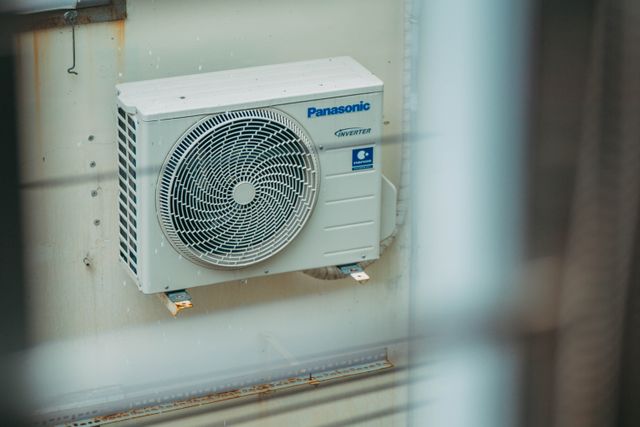
The air conditioning industry doesn’t exactly scream about this, but here’s the thing: the brand on the outside unit makes next to no difference to how your system will perform in the long run; it’s more about the decisions made in the weeks leading up to the installation. Most homeowners in Melbourne who are left with an air con system that just doesn’t cut it, is way louder than they thought it’d be, or needs an early service have a bad case of not the product failing but an installation that missed the most basic of steps. Knowing what all those steps are and how to tell if your installer is doing them right can actually change the whole outcome of what is, in most cases, a pretty big household investment.
Licensing: That’s Just the Starting Point and Not Even the Hardest Part
In Victoria, any work involving refrigerants has to involve someone with a proper ARCtick licence issued by the Australian Refrigeration Council, and any electrical work connected to the system has to be done by a properly licensed electrician. These are not ‘technicalities’; these are the law and literally determine whether the work is covered by insurance, whether the manufacturer’s warranty will still be valid, and whether Consumer Affairs Victoria can even help you if something goes wrong.
Consumer Affairs Victoria has a register of all the licensed tradespeople you can check. Taking a few minutes to check an air conditioning installation Melbourne contractor’s ARCtick licence and electrical licence before hiring them can at least confirm that the work is going to be done by someone who’s actually qualified and legally allowed to do the job. Not doing it properly just voids all the warranties and can leave you stuck with a huge worry about what will happen in any insurance claims you might have down the line.
The Design Stage is Actually Where You Figure Out How Well Your System Will Run in the End
Before all the tools come out in your home, a ducted air con installation is actually figured out weeks in advance in the design stage. Your first job is to do a room-by-room load calculation which takes into account all sorts of things like floor area, how high the ceilings are, how good the insulation is, how many windows you have and which way they’re facing, and how many people actually live in the house for real. Getting the capacity right based on the floor space alone is basically a surefire way to end up with a system that is either running flat out all the time or is way too big for what you need.
Next up you’ve got to work out how all the ducts should be run; you need to do all that from the load calculation output, so you’re talking about things like the size of the ducts, how far they’ll have to go, how many bends they’ll have, and where you’ll put all the outlet grilles. And while you’re at it, you should also sort out how you’ll design the return air system, because a system that’s good at giving you air in the room but can’t get the old air out just creates pressure imbalances, and that’s just a recipe for disaster.
Finally you’ll need to do some work on the switchboard to make sure it’s got the capacity to handle the power draw from the new system. If you want to do any of this properly, you should be taking a proper look at the property first. An installer who just shows up and starts quoting without doing that is basically just winging it.
A One-Day Installation, Yeah Right
The claim that a ducted reverse cycle system can get installed in just one day isn’t actually that crazy, but it only really works when there are a few specific conditions met: you have to have access to the ceiling space right across the property, there can’t be any really big obstacles in the way of the ducts (like load-bearing walls), and the current switchboard is up to handling the power requirements of the new system. And even then, that’s only going to work if you can actually confirm all of that with a proper pre-installation assessment.
When those conditions are just assumed instead of confirmed, the installation day is usually filled with all sorts of surprises.
What Needs to Be Checked Before the Installers Leave?
To accept the completed installation without proper checking means giving away the only leverage a homeowner has. Before the installers leave the premises, the following should be confirmed:
- The system functions properly in both heating and cooling mode.
- Each zone operates separately upon activation.
- The refrigerant level is checked against the manufacturer’s recommended range, since overcharge or undercharge will make the system work inefficiently and wear down the compressor.
- The noise level produced by the outdoor unit at full capacity is acceptable.
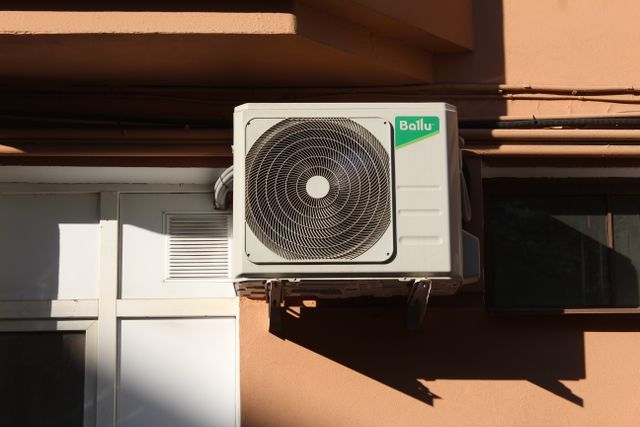
The noise level depends on how the unit is placed; problems with placement are the installer’s responsibility before the installation sign-off. Problems that occur six weeks after the sign-off are significantly harder to solve.
The Meaning of Warranty Coverage
In major brands’ case, the manufacturer’s warranty covers the parts for five to seven years and the compressor for up to ten years. The labour warranty is different and is provided by the installing company. It is the labour warranty which counts for the first twelve months after installation when the problems are likely to appear.
It is reasonable to expect a written document which describes what the labour warranty covers, for how long, and whom to contact in case of issues from any professional Melbourne installer. Verbal information cannot be treated the same way as a document. Under Victorian consumer law, major issues provide a consumer with the right to compensation, and it is significantly easier to get it if the installation conditions are put into writing.
Air conditioning installation in Melbourne is a long-term decision made in one day. Fifteen to twenty years of successful operation depend almost completely on the preparation for the installation day.