
Smart homes have moved well beyond novelty gadgets and futuristic concepts. Across Australia, connected technology is quietly reshaping how people live, work and relax at home—making everyday routines simpler, homes more efficient, and lifestyles more flexible. From voice-controlled lighting to intelligent climate systems, smart homes are redefining what modern living looks like.
As technology becomes more accessible and intuitive, homeowners are no longer asking if they should go smart, but how far they want to go with it.
From Convenience to Seamless Living
One of the biggest shifts smart homes have introduced is convenience without complexity. Early home automation often required technical know-how and clunky interfaces – today, systems are designed to integrate smoothly, allowing devices to communicate with each other across brands and platforms.
This is where standards like the Matter smart home ecosystem are changing the game. Instead of juggling multiple apps or compatibility issues, homeowners can enjoy a more unified and reliable experience—whether they’re adjusting lighting, checking security cameras, or setting daily routines.
The result is technology that fades into the background, supporting daily life rather than complicating it.

Smarter Energy Use and Sustainability
Energy efficiency is a growing priority for Australian households, and smart homes are playing a key role. Intelligent systems can monitor usage patterns, automatically adjust heating and cooling, and turn off devices when they’re not needed.Examples include:
- Smart thermostats that respond to weather conditions and occupancy
- Lighting systems that dim or switch off based on natural light levels
- Power monitoring that highlights where energy is being wasted
These small, automated decisions add up—helping reduce power bills while supporting more sustainable living.
Enhanced Security and Peace of Mind
Home security has evolved significantly with smart technology. Modern systems offer far more than alarms and locks, providing real-time insights and control no matter where you are.Smart security features often include:
- Live video feeds accessible via smartphone
- Motion detection alerts and activity history
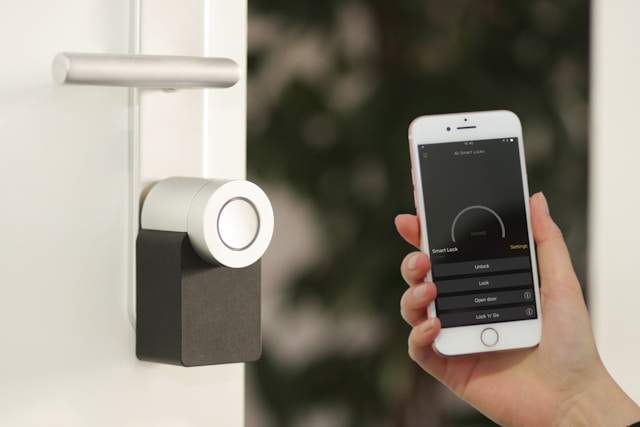
- Smart locks with remote access and temporary codes
For busy households or frequent travellers, this level of visibility delivers peace of mind that traditional systems simply can’t match.
Personalisation That Adapts to You
Another defining feature of smart homes is personalisation – instead of static settings, smart environments adapt to individual preferences and routines.Morning lights can gently brighten as alarms go off. Climate systems can pre-cool rooms on hot days. Entertainment systems can adjust sound and lighting for movie nights—all without manual input.Over time, these systems learn behaviours and refine responses, creating a home that feels tailored to the people living in it.

Supporting Modern Lifestyles and Remote Work
With more Australians working from home, smart homes are also transforming productivity. Automated lighting, noise control, and climate zoning help create comfortable, distraction-free workspaces.Voice assistants and app-based controls reduce interruptions, while smart scheduling allows homes to shift effortlessly between “work mode” and “family mode” at the end of the day.
The future of smart living in Australia
As technology continues to mature, smart homes will become less about individual devices and more about cohesive ecosystems. Interoperability, reliability and security are shaping the next phase of innovation—making smart living more approachable for everyday households.
Rather than being a luxury, smart home technology is quickly becoming a practical foundation for modern Australian living—supporting comfort, efficiency, safety and sustainability in ways that feel natural and intuitive.
Smart homes aren’t just changing how houses function—they’re changing how people experience home itself.